

Lease Agreements: What You Need to Know
Don't sign anything without reading this. We break down the clauses you'll encounter and what actually matters in a lease.
Key factors that affect rent prices in Holland Village and what you should expect when searching for your first apartment.
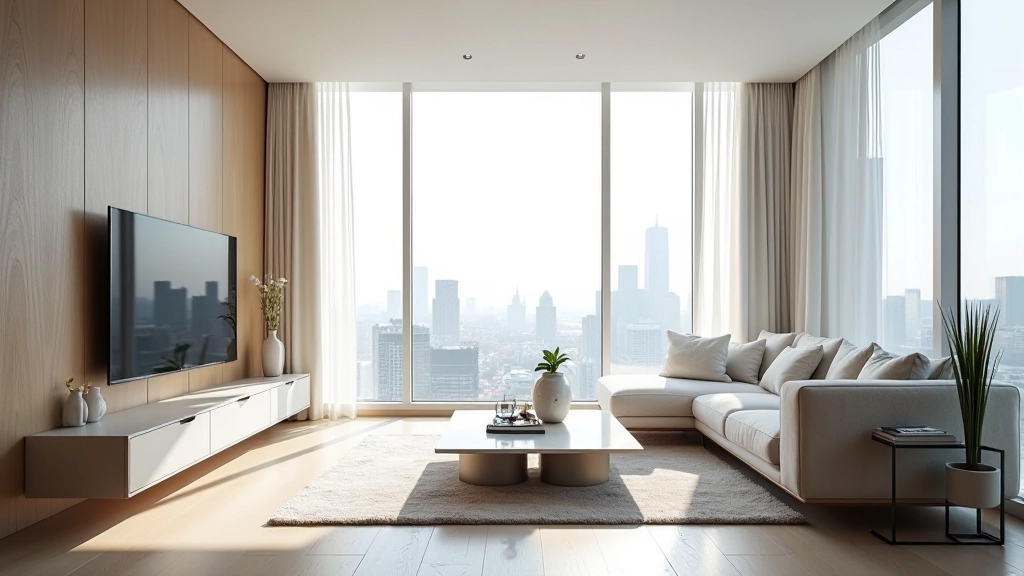
Moving to Singapore as an expat can feel overwhelming. You're dealing with a new country, new culture, and a rental market that doesn't always work like back home. Here's the reality: Singapore's housing market moves fast. Apartments get rented within days, landlords have high expectations, and prices vary wildly depending on location and building amenities.
We're not here to tell you it's easy. But we'll walk you through what actually matters when you're hunting for a place. You'll learn what drives rent prices, which neighborhoods offer real value, and what landlords actually look for in tenants. After 14 years of helping expats find homes here, we've seen the patterns. Let's break them down.
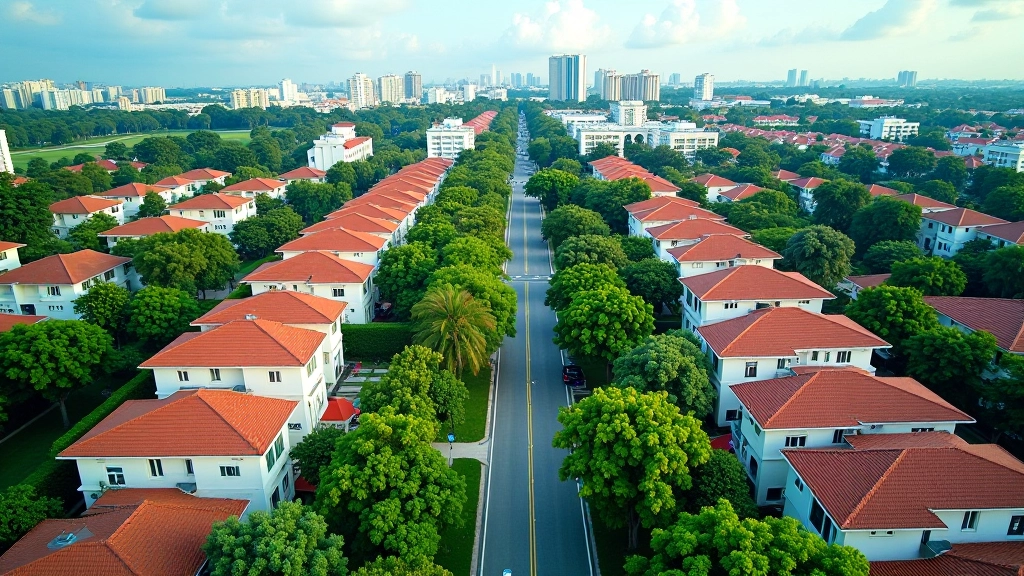
Where you live shapes everything. Your commute, your social life, your access to grocery stores and clinics. Holland Village sits in District 10 — it's not the cheapest area, but you're paying for actual walkability. That matters when you don't have a car.
Distance to MRT stations is a huge price driver. A place 5 minutes from Buona Vista station rents for noticeably more than something 15 minutes away. Same building quality, totally different prices. You'll also notice that apartments near shopping centers (like the main Holland Village shopping plaza) command premium rent. They shouldn't, but they do.
This article is for informational purposes to help you understand Singapore's rental market. Market prices, regulations, and availability change frequently. Always verify current information with local agents, landlords, and the Singapore government property portal before making decisions. Every apartment search is unique — these insights are general patterns, not guarantees for your specific situation.
You'll notice huge variation in prices for seemingly identical apartments. That's because rent isn't just about square footage. Landlords factor in building age, renovation status, unit condition, and whether utilities are included. A newly renovated 2-bedroom with air conditioning in all rooms runs SGD $2,800-3,200. The same layout without recent updates? More like $2,100-2,500.
Furnishing makes a massive difference. A fully furnished place costs 30-40% more than an unfurnished one. If you're fine with basic furniture (bed, sofa, table), you'll save money. Many expats skip furnishing because they'll bring their own stuff anyway.
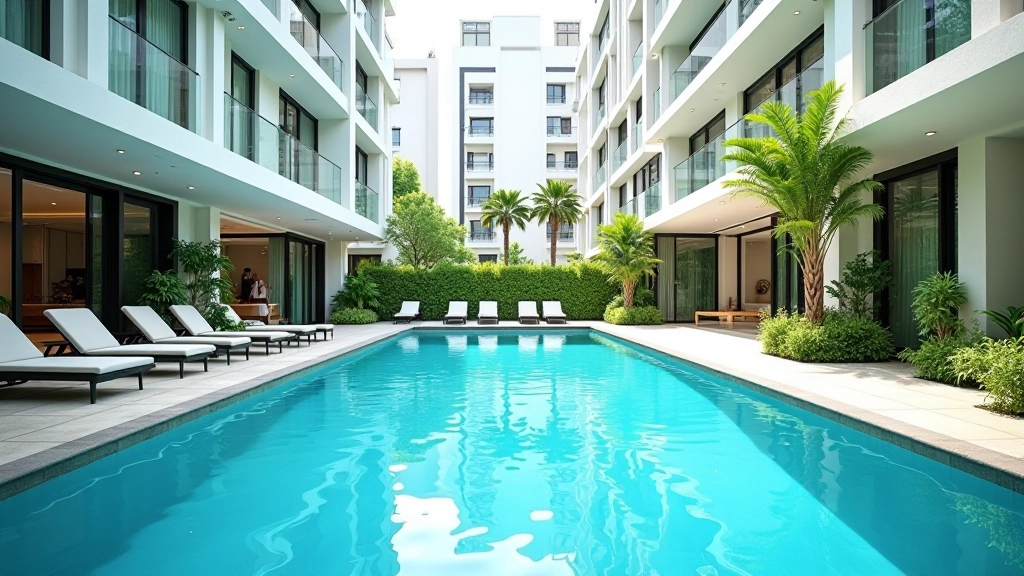
Building amenities affect prices too. Pools, gyms, and security guard presence add 15-25% to rent. But here's the thing — not all amenities matter equally. Expats with kids value childcare centers. Young professionals care more about gym access. Think about what you'll actually use before paying extra for it.
This is where most expats get caught off guard. Landlords here have specific requirements. They're not being difficult — they've had bad experiences with tenants who disappear or damage property.
They want to see that you can actually afford the rent. Most landlords ask for 3-6 months of payslips or an employment letter confirming your salary. If you're self-employed, bank statements work. Expect this conversation early.
Standard is one month's rent as a security deposit plus one month's advance. Some landlords push for two months deposit — it's negotiable, but don't expect to get away without paying something upfront.
If you've rented before in Singapore, landlords want contact details from your previous landlord. If you're new, a letter from your employer or company HR helps. It shows you're legitimate.
Don't skip this. A proper lease agreement protects both of you. It should cover rent amount, payment date, maintenance responsibilities, notice period for moving out, and what happens if something breaks.

Negotiation happens. Don't assume the asking price is final. If you're signing a 12-month lease, you have leverage. Landlords would rather lock in a good tenant than chase short-term renters constantly. Here's what works:
Ask about flexibility on furnishing. If they've listed it as furnished but you don't want furniture, offer to pay less. They save money on furnishings they might have to replace later anyway. Win-win.
Bundle requests together. Don't ask for rent reduction AND waived deposit AND free utilities. Pick one or two things. Maybe negotiate rent down by 5% in exchange for paying a full two months deposit upfront. Landlords respect decisive negotiations.
Show you're serious. Have documents ready. If you say you'll sign immediately after viewing, landlords take you seriously. Slow tire-kickers don't get good deals.
Speed matters in Singapore's rental market. Here's what actually happens:
A decent apartment in Holland Village gets posted online. By evening, agents are fielding inquiries. Good places get multiple viewings the same day.
You view the apartment, ask questions, maybe visit neighboring units. Take photos. Don't decide on the spot unless you're 100% sure.
You make an offer. Landlord counters (or accepts). This usually happens via agent. Back-and-forth takes 1-2 days maximum.
You sign the lease, pay deposit and first month's rent. Collect keys. You've got the apartment in under a week from listing to occupancy.